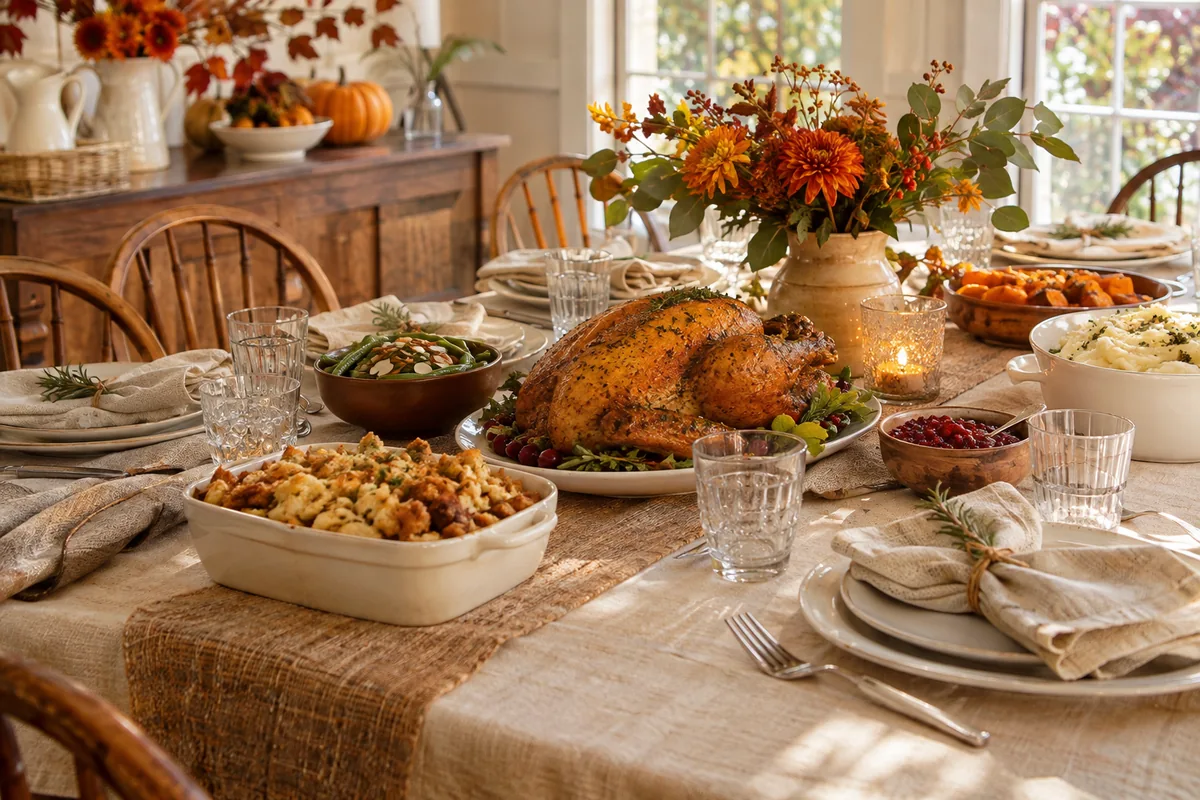
Thanksgiving Hosting Checklist: A Calm, Organized Plan
A Thanksgiving hosting checklist can make a full holiday meal feel much more manageable. I like to begin with the guest count, a realistic menu, and the few tasks that must happen on the day itself. From there, the shopping list, table setting, and kitchen schedule become easier to arrange.
This plan covers the week before Thanksgiving, a day-before preparation routine, and a flexible day-of timeline. You will also find a checklist you can print, mark up, or keep beside your kitchen counter.
Start With A Thanksgiving Hosting Checklist That Fits Your Home
A useful Thanksgiving hosting checklist is a short plan for guests, food, space, equipment, and timing. It separates work you can finish early from tasks that need your attention shortly before dinner. It should fit the kitchen and the people you actually have, not an imaginary perfect gathering.
Before choosing recipes, write down the following basics. A smaller plan with fewer dishes is often easier to serve warmly and on time.
- Confirm how many adults and children are coming, including dietary needs and arrival times.
- Decide whether the meal is plated, family-style, or buffet-style.
- Choose one main dish, a manageable number of sides, and dessert.
- Check the oven, refrigerator, stove burners, counter space, and available chairs.
- Mark any dishes guests have offered to bring, including how they will arrive and be reheated.
My rule is to leave one clear counter or table area for finished dishes. That small amount of free space is more useful than extra decorative pieces.
Your 7-Day Thanksgiving Prep Timeline
The most practical Thanksgiving prep timeline begins with decisions, then moves to shopping, setup, and cooking. Use these seven days as a guide, not a rigid schedule. A frozen turkey may need several days to thaw safely, so check its weight and the refrigerator guidance before following any day-by-day plan.
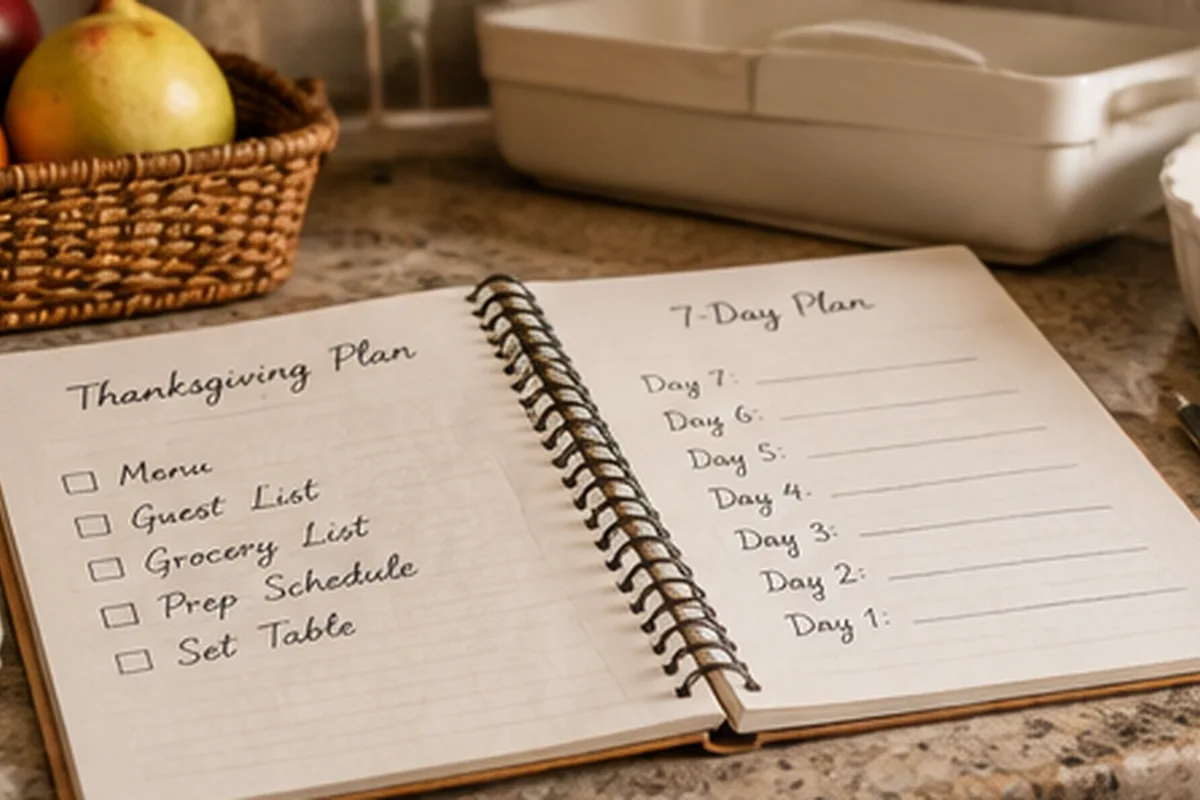
Seven Days Before: Confirm The Gathering
Start with the guest list and menu so you can shop with a purpose. You do not need every table detail in place yet.
- Confirm guests and ask about food allergies or dietary restrictions.
- Choose a serving time and tell anyone bringing food.
- List every dish, who will prepare it, and the oven or stove space it needs.
- Check serving bowls, trays, utensils, chairs, and food containers.
Six To Five Days Before: Shop And Make Space
Buy shelf-stable ingredients now, then reserve fresh produce and other short-life ingredients for a later trip. Make a quick check of the refrigerator before adding groceries.
- Group your shopping list by produce, pantry, dairy, bakery, and freezer sections.
- Clear refrigerator shelves and place raw poultry on a tray below ready-to-eat foods.
- Check the turkey thawing method and start thawing at the right time for its weight.
- Locate the food thermometer, roasting pan, foil, and storage containers.
Four To Three Days Before: Prepare The Space
Once the meal is decided, make the dining area usable. The goal is enough room to sit, pass dishes, and move comfortably, not a crowded display.
- Wash table linens, count place settings, and inspect serving utensils.
- Arrange a separate area for beverages and water.
- Make labels for dishes if guests need allergen information.
- Tidy the guest bathroom and identify a place for coats or bags.
Two Days Before: Finish Low-Risk Tasks
Choose jobs that will hold up well and do not require last-minute cooking. Confirm which recipes can be prepared early using their storage instructions.
- Make a simple seating plan if it would help your group.
- Prepare nonperishable table decor and set out serving pieces.
- Wash produce that can be washed ahead and store it appropriately.
- Review each recipe and check that all ingredients are on hand.
One Day Before: Set Up For Tomorrow
The day before Thanksgiving is for preparing your kitchen and reducing decisions. Anything you cook or assemble early should be stored according to its recipe and safe food-handling guidance.
- Set the table, leaving space for dishes and water glasses.
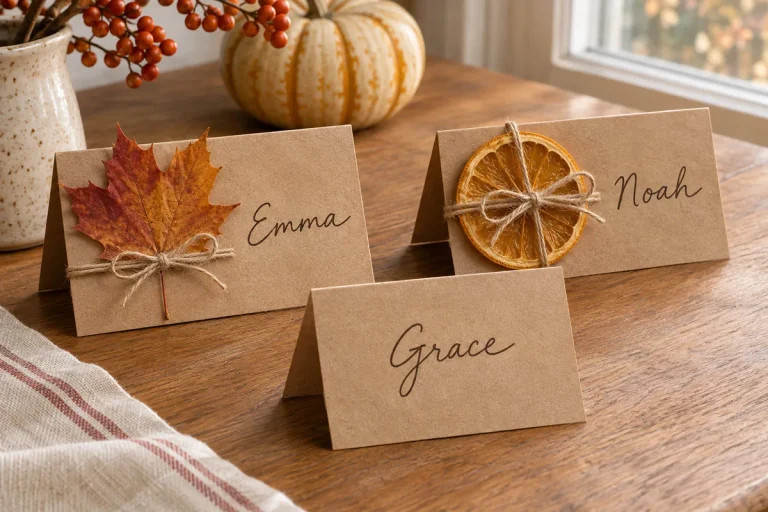
- Label serving dishes with a small paper card showing what goes in each one.
- Prepare make-ahead dishes that can be refrigerated safely.
- Chill drinks, prepare ice, and clear the sink and dishwasher.
- Write a cooking schedule backward from the agreed serving time.
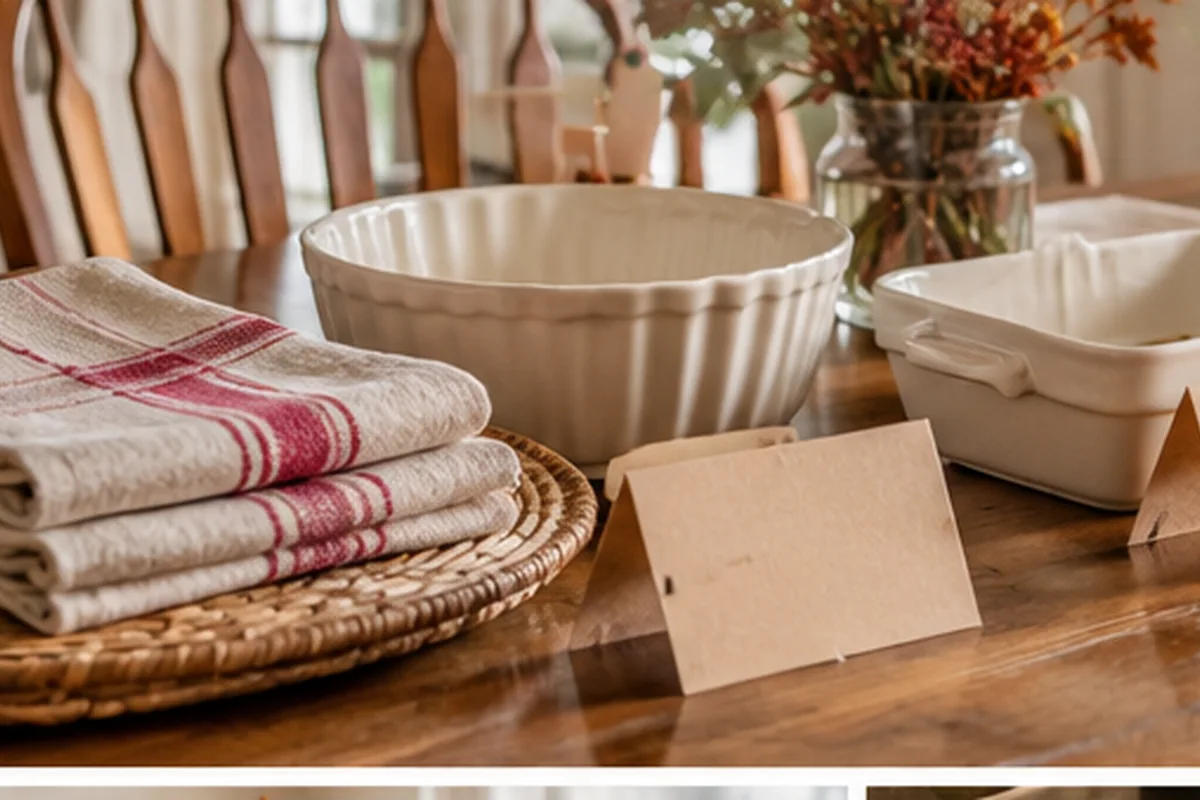
Plan The Menu And Grocery List Without Overloading The Kitchen
A manageable menu accounts for cooking equipment as well as appetites. Plan four dishes you can finish on time, and stagger anything that needs the oven.
Group dishes by whether they can be served cold, made ahead, warmed on the stove, or finished in the oven. This makes oven congestion easier to spot.
| Dish Type | Best Planning Choice | Watch For |
|---|---|---|
| Main dish | Give it the first place in the schedule | Thawing, safe cooking temperature, resting time |
| Baked sides | Prepare early when the recipe allows | Competing oven temperatures and rack space |
| Stovetop sides | Reserve a burner and serving saucepan | Last-minute stirring and reheating |
| Salad or cold side | Assemble close to serving when needed | Refrigerator space and dressing timing |
| Dessert | Make ahead if storage allows | Serving tools and space for plates |
My takeaway: If two recipes need the same oven at different temperatures, move one dish to the stovetop, prepare it earlier, or swap it for a cold side.
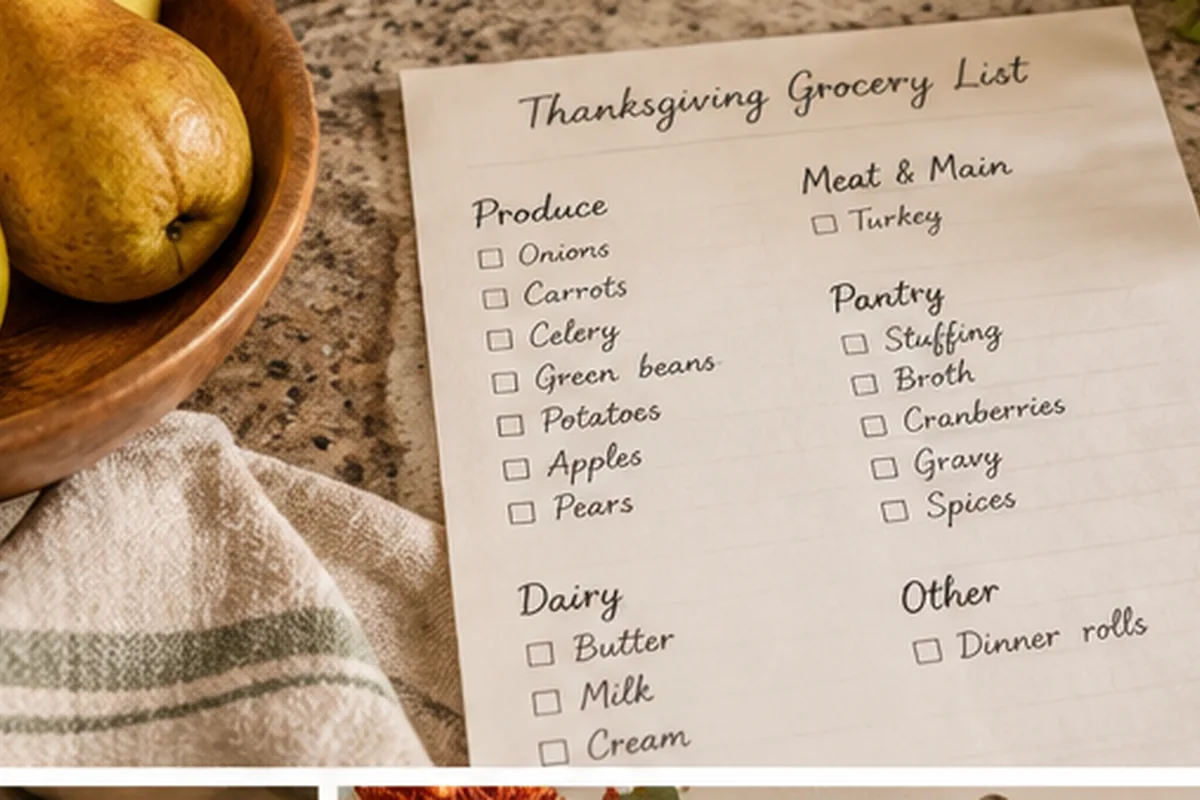
Build One Shopping List By Store Section
A single list prevents forgotten ingredients and duplicate purchases. Add amounts from your actual recipes rather than trusting a generic holiday list.
- Produce: potatoes, green vegetables, herbs, onions, citrus, and seasonal fruit.
- Pantry: broth, baking ingredients, spices, oil, and shelf-stable drinks.
- Refrigerated or frozen: the main dish, dairy, eggs, and any frozen sides.
- Table and cleanup: napkins, paper towels, dish soap, food containers, and bags.
Prepare The Table And Guest Spaces Early
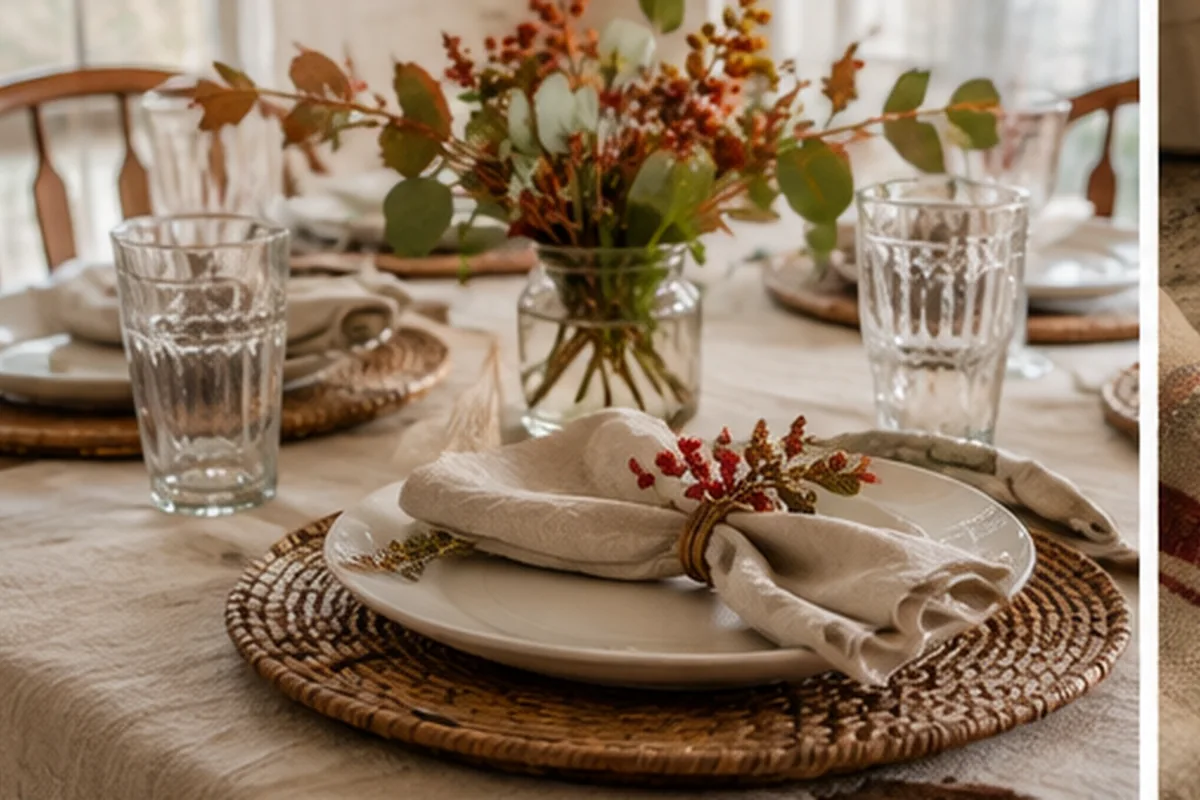
A calm Thanksgiving table needs clear seating, reachable water, comfortable serving space, and enough light to see the food. Decorations can be simple. I like a low centerpiece made with seasonal foliage or a few pears because guests can still see each other.
- Put the largest serving dishes on the table before arranging decorations.
- Choose a low centerpiece rather than tall flowers that block conversation.
- Keep a clear landing area near the doorway for coats and bags.
- Use a separate drink station to keep people away from hot pans.
- Check access for anyone using a mobility aid or needing extra room.
Use A Day-Of Thanksgiving Hosting Timeline
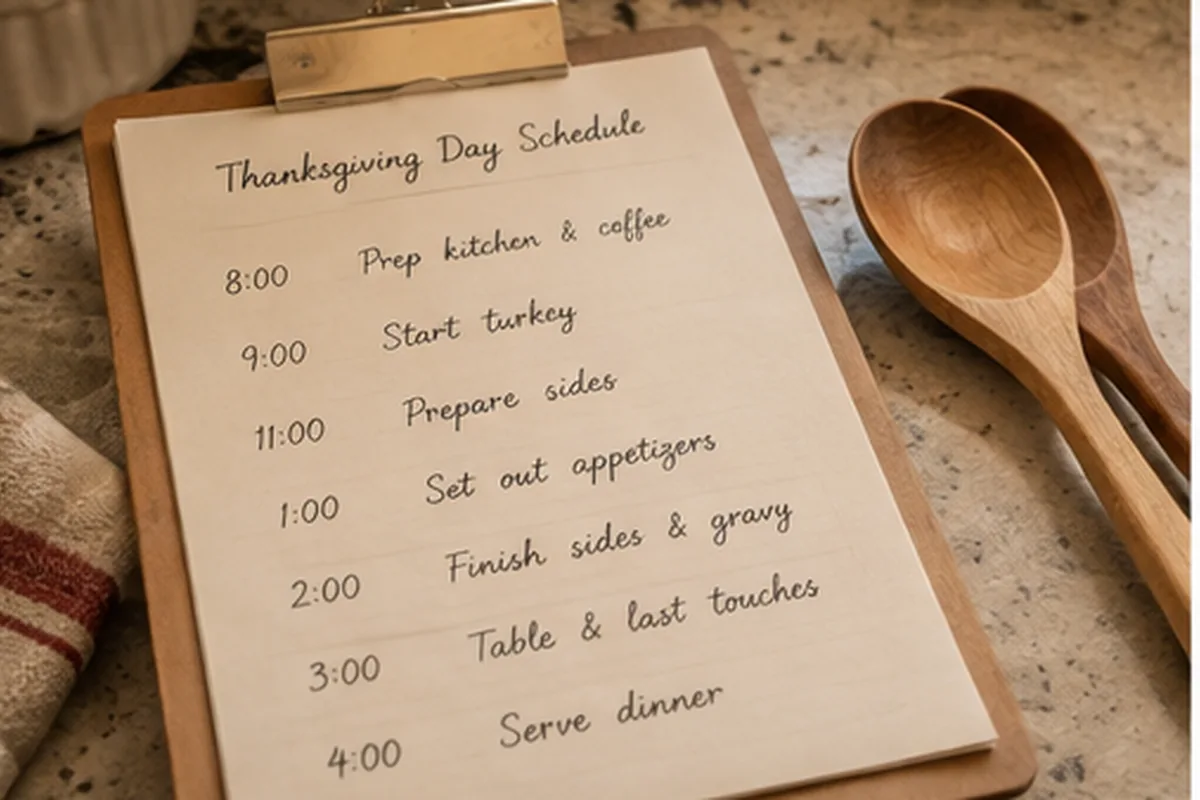
The day-of schedule works best when it starts with your intended meal time and moves backward. The example below assumes dinner is served at 4:00 p.m.
Shift the clock to your own gathering, and calculate the main dish cooking time from its recipe, weight, oven setup, and thermometer readings.
| Example Time | Hosting Task |
|---|---|
| Morning | Review cooking instructions; prepare the kitchen and safely start the main dish as needed. |
| 11:00 a.m. | Set out utensils, empty platters, and serving labels. |
| 12:30 p.m. | Complete dishes that can be safely held or chilled; tidy work surfaces. |
| 2:00 p.m. | Check the main dish with a thermometer; adjust the remaining schedule. |
| 3:00 p.m. | Warm prepared sides as their recipes direct; fill water pitchers. |
| 3:30 p.m. | Move ready food to serving pieces; finish only the truly last-minute dishes. |
| 4:00 p.m. | Serve dinner, adjusting as needed for actual cooking temperatures. |
Do not treat a clock time as proof that poultry is done. For turkey, FoodSafety.gov specifies a minimum internal temperature of 165°F (74°C). Use a food thermometer in the appropriate places, and confirm stuffing reaches a safe temperature if cooked inside the bird.
Keep Thanksgiving Cooking And Leftovers Safe
Food safety deserves a place on any Thanksgiving hosting checklist. Thaw turkey in the refrigerator at 40°F (4°C) or below, allowing roughly 24 hours for every four to five pounds. Keep it wrapped on a tray so juices cannot drip onto other food. Do not thaw it on the counter.
For safer serving and cleanup, use these straightforward habits:
- Do not wash raw turkey. Keep raw poultry and its utensils separate from ready-to-eat food.
- Use a food thermometer rather than judging the turkey by color or elapsed time.
- Refrigerate perishable leftovers within two hours; use shallow containers to help food cool.
- Use refrigerated cooked turkey and related dishes within three to four days, or freeze them for longer storage.
- Reheat leftovers to 165°F (74°C).
These points follow CDC and FoodSafety.gov guidance. Individual recipes can have different preparation and storage steps, so follow safe instructions for each dish.
A Simple Printable Thanksgiving Hosting Checklist
Keep this version on one page with a pen nearby. It catches the small details that become inconvenient once guests arrive.
One Week Before
- ☐ Confirm the guest list, dietary needs, and serving time
- ☐ Choose the menu and assign any shared dishes
- ☐ Check the turkey thawing timeline and equipment
- ☐ Create a categorized grocery list
Three To Five Days Before
- ☐ Shop for pantry items and suitable groceries
- ☐ Make refrigerator and freezer space
- ☐ Count chairs, plates, glassware, and serving utensils
- ☐ Plan where drinks, coats, and dessert will go
The Day Before
- ☐ Set the table and label serving dishes
- ☐ Finish suitable make-ahead food and store it safely
- ☐ Chill drinks and prepare cleanup supplies
- ☐ Write the cooking plan backward from serving time
Thanksgiving Day
- ☐ Review the main dish cooking and thermometer plan
- ☐ Prepare and reheat sides according to recipes
- ☐ Clear worktops and prepare the drinks area
- ☐ Serve the meal and refrigerate leftovers promptly
Small Changes That Make Hosting Feel Calmer
The easiest way to host with less pressure is to reduce avoidable decisions. Pick serving bowls before cooking begins, decide where drinks belong, and keep one or two flexible dishes on the menu. If something finishes later than expected, people can still enjoy a comfortable room and a simple snack.
- Choose one store-bought item when it removes a significant cooking task.
- Ask a guest to refill water or manage the drinks area.
- Use plain dishes and reusable linens instead of buying a matching holiday set.
- Avoid putting fragile decor where children or pets can reach it.
- Leave a small amount of extra time between cooking tasks instead of filling every minute.
Frequently Asked Questions (FAQs)
When should I start preparing for Thanksgiving?
Start a week before by confirming guests, the menu, and equipment. Begin thawing frozen turkey early enough for its weight and chosen safe method. Shopping, table setup, and some make-ahead dishes can then be spread across the week.
What should be on a Thanksgiving hosting checklist?
Include the guest list, menu, grocery list, turkey and cooking plan, serving equipment, table setup, drinks, cleanup supplies, and a leftover-storage plan. A short checklist organized by day is usually easier to use than one very long list.
How can I host Thanksgiving in a small kitchen?
Choose fewer oven dishes, use the stovetop for suitable sides, and set up drinks away from the cooking area. Keep one counter clear for platters. A buffet on another surface can be more practical than carrying every dish to the table.
What can I prepare the day before Thanksgiving?
You can set the table, label serving dishes, chill drinks, and prepare recipes designed for safe advance storage. Some desserts and sides also work well made ahead. Follow each recipe’s refrigeration and reheating instructions rather than leaving prepared food at room temperature.
How do I plan a Thanksgiving cooking timeline?
- Pick a serving time and work backward through oven temperatures, cook times, equipment, and reheating.
- Leave some flexibility for dishes that take longer than expected.
- Use thermometer readings to confirm when the turkey is safely cooked.
How long can Thanksgiving leftovers stay out?
Refrigerate perishable leftovers within two hours of cooking, according to CDC guidance. Put large portions into shallow containers so they cool more quickly. Do not leave food out for an extended evening because guests are still talking.
Final Thoughts
A thoughtful Thanksgiving hosting checklist is not about doing every possible task. It is about knowing what deserves your attention and what can be handled earlier. Begin with a simple menu, confirm the equipment, and protect space in the kitchen for the dishes that really need it.
The table can be welcoming without being elaborate, and guests rarely need a complicated setup to feel comfortable. When the food, timing, and cleanup have a clear place in the plan, there is more room to enjoy the people who have come to share the day.
Sources
CDC, Preparing Your Holiday Turkey Safely: https://www.cdc.gov/food-safety/foods/holiday-turkey.html
FoodSafety.gov, Meat And Poultry Roasting Charts: https://www.foodsafety.gov/food-safety-charts/meat-poultry-charts
5 Comments